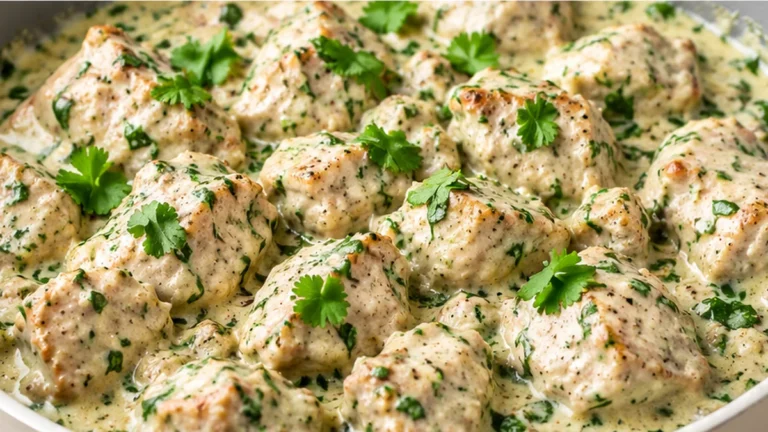
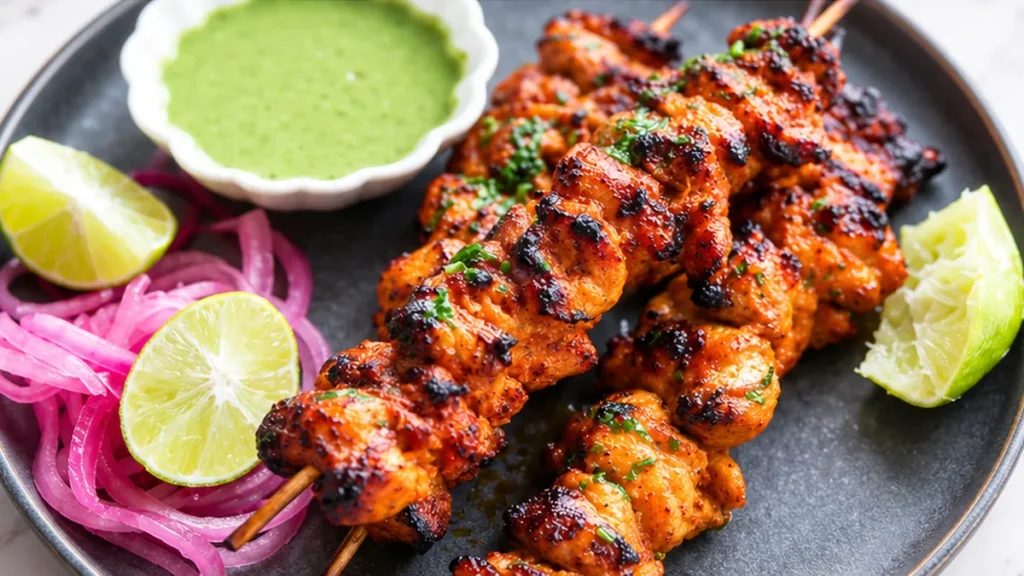
Lemon garlic chicken is all about a simple marinade and a high-heat blast. This recipe guarantees tender, juicy chicken with a crispy, slightly browned exterior, infused with bright citrus and savory garlic notes. It’s perfect for a quick weeknight meal that tastes restaurant-quality, requiring minimal hands-on time.
Key takeaways
- The acidity of lemon juice tenderizes the chicken and enhances flavor
- Garlic contributes to browning and depth of flavor in the dish
- Honey balances the acidity and adds a touch of sweetness
- Proper heat control is essential for juicy, well-cooked chicken
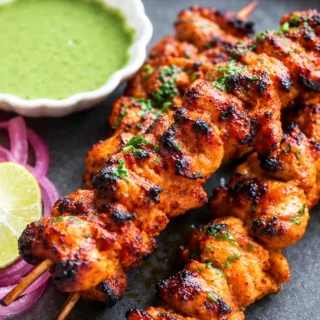
Zesty Lemon Garlic Chicken
Ingredients
- 350 grams boneless chicken thighs cut into 1.5 inch pieces
- 2 teaspoons lemon zest
- 2 teaspoons lemon juice
- 2 teaspoons grated garlic
- ¼ teaspoon crushed pepper
- 1 teaspoon kashmiri chilli powder
- 1 teaspoon honey
- ¼ teaspoon salt
- 2 teaspoons olive oil
Instructions
- In a bowl, combine chicken pieces with lemon zest, lemon juice, grated garlic, crushed pepper, Kashmiri chili powder, honey, salt, and olive oil. Toss until well coated. Marinate for at least 1 hour.
- Preheat your air fryer to 200°C (400°F). Lightly brush the air fryer basket with oil.
- Thread the marinated chicken pieces onto the skewers, ensuring some space between them. Place the skewers in the preheated basket.
- Air fry at 200°C (400°F) for 3 minutes. Flip the skewers, brush with more oil, and air fry for another 3-5 minutes, or until cooked through.
- Remove the chicken from the air fryer and serve immediately.
Video
Notes
Understanding the Role of Acid in Lemon Garlic Chicken
The combination of lemon juice and lemon zest in this recipe plays a crucial role in flavor development and meat tenderization. The acidity in the lemon juice helps to break down the proteins in the chicken, making it more tender. A typical marinade ratio for chicken is about 1 tablespoon (15 ml) of acid per 1 pound (450 grams) of meat. In this recipe, the 2 teaspoons of lemon juice are sufficient to enhance the chicken’s texture without overpowering its natural flavor.
Balancing Flavors: The Importance of Garlic and Honey
Garlic not only adds depth to the flavor profile but also contributes to the Maillard reaction during cooking, which enhances the browning and flavor of the chicken. The 2 teaspoons of grated garlic in this recipe are essential for creating a robust taste. Honey, used in this dish, provides a slight sweetness that balances the acidity of the lemon and the heat from the crushed pepper and Kashmiri chili powder. This contrast of flavors is vital in achieving a well-rounded dish.
Heat Control: Cooking Techniques for Perfect Chicken
Cooking chicken thighs requires careful heat management to avoid drying out the meat. The use of olive oil in this recipe not only aids in cooking but also helps in achieving a nice sear on the chicken pieces. Ideally, you should cook the chicken at medium-high heat, around 190-200°C (375-400°F), allowing for a crispy exterior while keeping the inside juicy. A cooking time of about 15-20 minutes is generally recommended, depending on the size of the chicken pieces.
Common Mistakes and How to Avoid Them
- Over-marinating: Leaving the chicken in the lemon marinade for too long can lead to a mushy texture. Aim for a marinating time of 30 minutes to 2 hours.
- Incorrect Heat: Cooking on too high of heat can burn the exterior while leaving the inside undercooked. Use a thermometer to ensure the chicken reaches an internal temperature of 75°C (165°F).
- Skipping the Resting Period: Not allowing the chicken to rest after cooking can result in dry meat. Let it rest for about 5 minutes before serving.
Unique Characteristics of Lemon Garlic Chicken
This dish stands out due to the use of Kashmiri chili powder, which not only adds color but also a mild heat that differs from regular chili powders. Its vibrant red color enhances the presentation of the dish, making it visually appealing. Additionally, the combination of lemon and garlic is a classic pairing in many cuisines, but this specific blend with honey creates a unique flavor profile that is both zesty and savory.
Optimal Cooking Techniques for Perfect Lemon Garlic Chicken
When preparing lemon garlic chicken, the cooking method significantly impacts the final texture and flavor. Searing the chicken thighs in a hot pan with olive oil creates a delicious crust due to the Maillard reaction, which occurs at temperatures above 140°C (284°F). This reaction enhances the chicken’s flavor and appearance. After searing, consider finishing the chicken in the oven at 200°C (400°F) for about 15-20 minutes, ensuring even cooking while maintaining juiciness. Using a meat thermometer, aim for an internal temperature of 75°C (165°F) to guarantee doneness without drying out the meat.
Batch Scaling for Lemon Garlic Chicken
Scaling recipes can be tricky, especially when it comes to seasoning and cooking times. For lemon garlic chicken, if you decide to double or triple the recipe, maintain the same ratios of lemon zest, garlic, and spices to ensure balanced flavor. However, be cautious of cooking times; larger batches may require slightly longer cooking times. It’s advisable to use a larger pan to avoid overcrowding, which can lead to steaming rather than searing. Always check the internal temperature to ensure all pieces are cooked evenly.
Seasonal Ingredient Quality and Its Impact
The quality of your ingredients can dramatically affect the outcome of lemon garlic chicken. Fresh, in-season lemons and garlic will provide a vibrant flavor profile that dried or off-season counterparts cannot replicate. For instance, when lemons are in season, they are juicier and more aromatic, leading to a more pronounced citrus flavor in the dish. Similarly, fresh garlic tends to have a more robust taste compared to pre-minced varieties. When using seasonal produce, adjust the quantity slightly, as their flavors may be more intense, requiring less to achieve the desired taste.
Serving Suggestions and Pairing with Sides
Lemon garlic chicken pairs beautifully with a variety of sides that complement its zesty profile. Consider serving it alongside a light arugula salad dressed with olive oil and balsamic vinegar, which enhances the chicken’s flavors without overpowering them. Alternatively, roasted vegetables, such as asparagus or bell peppers, can add a colorful and nutritious element to the plate. For a heartier meal, serve with quinoa or rice; the grains can soak up the flavorful juices from the chicken, creating a well-rounded dish.
Understanding the Impact of Ingredient Quality on Lemon Garlic Chicken
The quality of your ingredients can significantly affect the flavor and texture of lemon garlic chicken. Fresh, high-quality chicken thighs will yield a more succulent dish compared to frozen or older chicken. Similarly, using freshly grated garlic and organic lemons can enhance the overall taste. Fresh lemon zest contains essential oils that contribute vibrant citrus notes, while bottled lemon juice may lack the necessary brightness. For optimal results, choose organic garlic and lemons, as they often have more intense flavors. Additionally, consider the seasonality of these ingredients; lemons are at their peak in winter and early spring, which can further enhance the dish’s freshness and flavor profile.
Make-Ahead Strategies for Lemon Garlic Chicken
Preparing lemon garlic chicken ahead of time can save you valuable cooking time during busy weeknights. One effective strategy is to marinate the chicken in the lemon garlic mixture for several hours or overnight. This not only infuses the chicken with flavor but also tenderizes it. After marinating, you can store the chicken in an airtight container in the refrigerator for up to 24 hours. When ready to cook, simply remove it from the fridge and let it come to room temperature before cooking. Alternatively, you can cook a larger batch and store leftovers in the refrigerator for up to three days. The flavors will continue to develop, making it a great option for meal prep.
Essential Equipment for Perfect Lemon Garlic Chicken
The right equipment can make a significant difference in the preparation of lemon garlic chicken. A heavy-bottomed skillet or cast-iron pan is ideal for achieving a nice sear on the chicken, which enhances the Maillard reaction, creating a rich, savory flavor. A meat thermometer is also crucial for ensuring the chicken is cooked to a safe internal temperature of 75°C (165°F) without overcooking. If you prefer baking, a roasting pan can help achieve even cooking, while a baking sheet lined with parchment paper is perfect for a quick cleanup. Additionally, having a good quality zester and garlic press can make the preparation process easier and more efficient, ensuring you get the most flavor from your ingredients.
Understanding the Impact of Chicken Quality on Flavor
The quality of chicken used in lemon garlic chicken significantly affects the final dish. Opting for organic or free-range chicken can enhance flavor and texture, as these birds typically have a richer taste due to their diet and living conditions. For best results, select chicken thighs that are firm and have a vibrant color. Fresh chicken should have a mild, clean smell. The fat content in chicken thighs also contributes to juiciness, making them ideal for this recipe. When purchasing, aim for thighs with a good layer of fat, as this will render down during cooking, adding moisture and flavor to the dish.
Optimal Pairings to Elevate the Dish
Lemon garlic chicken pairs beautifully with a variety of sides that complement its zesty and savory profile. Consider serving it with a fresh green salad dressed in a light vinaigrette to balance the richness of the chicken. Roasted vegetables, such as asparagus or Brussels sprouts, can add a delightful crunch and earthy flavor. For a starch option, creamy mashed potatoes or a lemon-infused rice pilaf can absorb the juices from the chicken, enhancing the overall experience. Additionally, a light white wine, such as Sauvignon Blanc, can elevate the meal, echoing the citrus notes of the dish.
Pro tips
- Marinate the chicken for at least 1 hour, or even overnight, for deeper flavor.
- Don’t overcrowd the air fryer basket; give the chicken pieces space to ensure even cooking and crisping.
- For extra crispy chicken, pat it dry before marinating, but ensure the marinade coats it well.
- Adjust the chili powder for your preferred spice level.
Enjoy this zesty and perfectly cooked air fryer chicken as a healthy, flavorful meal. It’s a guaranteed hit!
Frequently asked questions
Can I use chicken breast instead of thighs for this recipe?
Yes, you can use chicken breasts, but they may require slightly less cooking time due to their leaner nature. Ensure they reach an internal temperature of 75°C (165°F).
How long should I marinate the chicken?
For optimal flavor and tenderness, marinate the chicken for at least 30 minutes and up to 2 hours. Avoid marinating for too long to prevent a mushy texture.
What can I substitute for Kashmiri chili powder?
If you don’t have Kashmiri chili powder, you can use a mix of paprika and a pinch of cayenne pepper for color and heat. However, the flavor will differ slightly.
Can I prepare this dish in advance?
While it’s best enjoyed fresh, you can marinate the chicken in advance and store it in the refrigerator for up to 24 hours. Cook it just before serving for the best results.
More from Air Fryer Chicken →