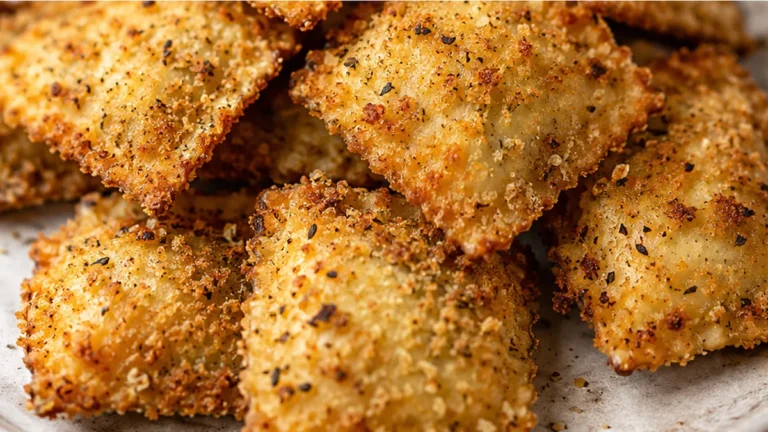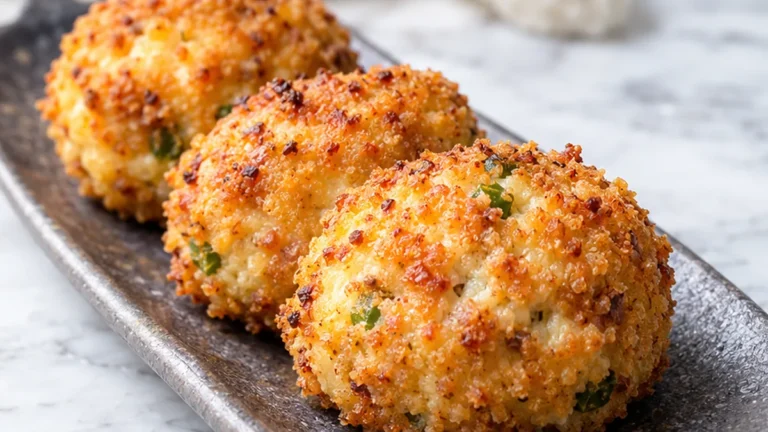
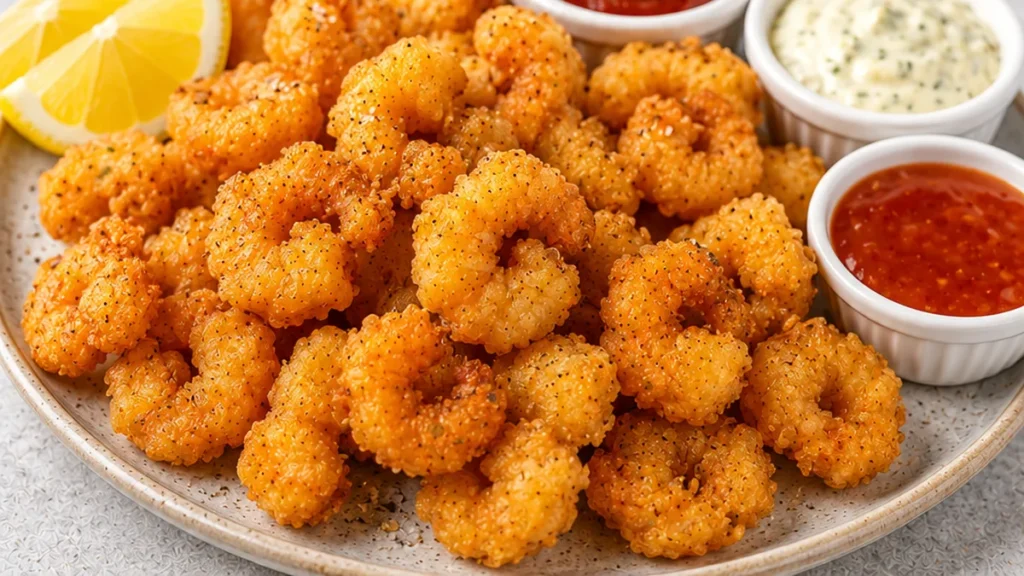
The ultimate guide to making perfectly crispy popcorn shrimp using your air fryer. This recipe is incredibly simple and results in golden, crunchy bites every time, making it ideal for quick snacks or appetizers. Forget soggy frozen shrimp! This air fryer method improves your favorite snack to a new level of deliciousness. Whether you’re preparing for game day or just need a fast, satisfying treat, this popcorn shrimp recipe is a winner.
Key takeaways
- Crispy air fryer popcorn shrimp require good air circulation and minimal moisture.
- Avoid overcrowding the basket and ensure even cooking by shaking or flipping.
- Season generously for optimal flavor.
- Adjust cooking time and temperature based on your specific air fryer model.
Crispy Air Fryer Popcorn Shrimp
Ingredients
- 16 oz frozen popcorn shrimp
- Salt (to taste)
- Black pepper (to taste)
- 1 tablespoon olive oil
- Optional for Serving – Lemon slices
- Optional for Serving – your favorite dips (tartar sauce, hot sauce, ranch, BBQ sauce, aioli, mustard, etc.)
Instructions
- Place the frozen popcorn shrimp in the air fryer basket. No need to thaw!
- Spread in an even layer. Do not overlap. No oil spray needed.
- Air Fry at 400°F (205°C) for 8 minutes. For raw shrimp, add 1-4 extra minutes until crispy. For pre-cooked, add 1-2 extra minutes.
- Flip halfway through cooking for even crispiness.
- Check for desired crispiness and cook an additional 1-4 minutes if needed.
- Season with salt and pepper to taste. Serve immediately with lemon slices and your favorite dips.
Video
Notes
The technique that makes it
Achieving truly crispy popcorn shrimp in an air fryer relies on a few key principles. The primary goal is to maximize surface area exposure to hot air while minimizing moisture. Since we are starting with frozen popcorn shrimp, which often have a coating designed for frying, the air fryer’s convection currents are crucial. These currents circulate hot air rapidly around the shrimp, evaporating surface moisture and crisping the coating. The olive oil plays a vital role here; it’s not for deep frying but for creating a thin, even layer that facilitates browning and crisping. A light misting or tossing ensures that each piece is coated, allowing the Maillard reaction to occur effectively, which is responsible for the desirable golden-brown color and savory flavor. Overcrowding the air fryer basket is the most common pitfall. If shrimp are piled too high, the hot air cannot circulate freely, leading to uneven cooking and soggy results. Proper spacing allows each piece to be directly exposed to the circulating hot air, ensuring uniform crispness. Flipping or shaking the basket halfway through the cooking time is essential for this even exposure, ensuring all sides of the shrimp achieve optimal crispness.
Troubleshooting
- Failure: Shrimp are soggy and not crispy.
Fix: Ensure shrimp are not overcrowded in the air fryer basket. Cook in batches if necessary, allowing adequate space for air circulation. Also, check that the air fryer is preheated, as this initial blast of heat helps start the crisping process. - Failure: Shrimp are burnt on the outside but not heated through.
Fix: Reduce the cooking temperature slightly, or shorten the cooking time. Ensure the shrimp are in a single layer and shake the basket more frequently to prevent hot spots. - Failure: Coating is falling off.
Fix: This can happen if the shrimp are handled too roughly or if they are thawed and refrozen. Ensure gentle handling when tossing with oil and seasoning. If using a breaded fresh shrimp, ensure a proper dredging process. - Failure: Shrimp taste bland.
Fix: Don’t skip the salt and pepper. Season generously before air frying. Consider adding other complementary spices like garlic powder or paprika to the seasoning mix.
Substitutions
- Olive Oil: Avocado oil or another high-smoke-point neutral oil can be substituted for olive oil. The result will be similar crispness and browning.
- Frozen Popcorn Shrimp: For a fresher approach, you can use fresh, peeled, and deveined shrimp. You will need to coat them in a seasoned flour/egg/breadcrumb mixture before air frying. This will result in a more substantial, homemade breaded shrimp.
- Seasoning: While salt and pepper are fundamental, feel free to experiment with other seasonings. A blend of garlic powder, onion powder, paprika, and a pinch of cayenne pepper will add depth and a slight kick, yielding a more flavorful popcorn shrimp.
- Serving Accompaniments: The optional serving suggestions can be swapped based on personal preference. If you don’t have tartar sauce, a spicy aioli or a simple lemon-dill sauce would be excellent alternatives for dipping.
Pro tips
- Use a single layer for maximum crispiness.
- Adjust cooking time based on your air fryer model and batch size.
- Don’t skip the flipping step for even cooking.
- Serve immediately for the best texture.
Enjoy these incredibly easy and delicious air fryer popcorn shrimp! Perfect for dipping and sharing.
More from Air Fryer Frozen Foods →
Frequently asked questions
Can I cook popcorn shrimp from fresh instead of frozen?
Yes, but you’ll need to prepare them differently. Fresh shrimp should be peeled, deveined, and then coated in a seasoned flour, egg wash, and breadcrumb mixture before air frying. This ensures a crispy coating similar to the frozen variety.
How do I prevent the popcorn shrimp from becoming soggy?
The key is to ensure hot air can circulate around each piece. Avoid overcrowding the air fryer basket, cook in a single layer, and shake the basket halfway through the cooking time. Ensure the shrimp are not thawed before air frying.
What temperature and time should I use for air fryer popcorn shrimp?
A common starting point is 400°F (200°C) for 8-12 minutes. However, this can vary significantly between air fryer models. It’s best to check for doneness and crispness around the 8-minute mark and adjust as needed.
Can I add extra seasonings to the popcorn shrimp?
Absolutely. Before air frying, toss the frozen shrimp with a tablespoon of olive oil and your desired seasonings. Garlic powder, onion powder, paprika, cayenne pepper, or a seafood seasoning blend can all enhance the flavor profile.