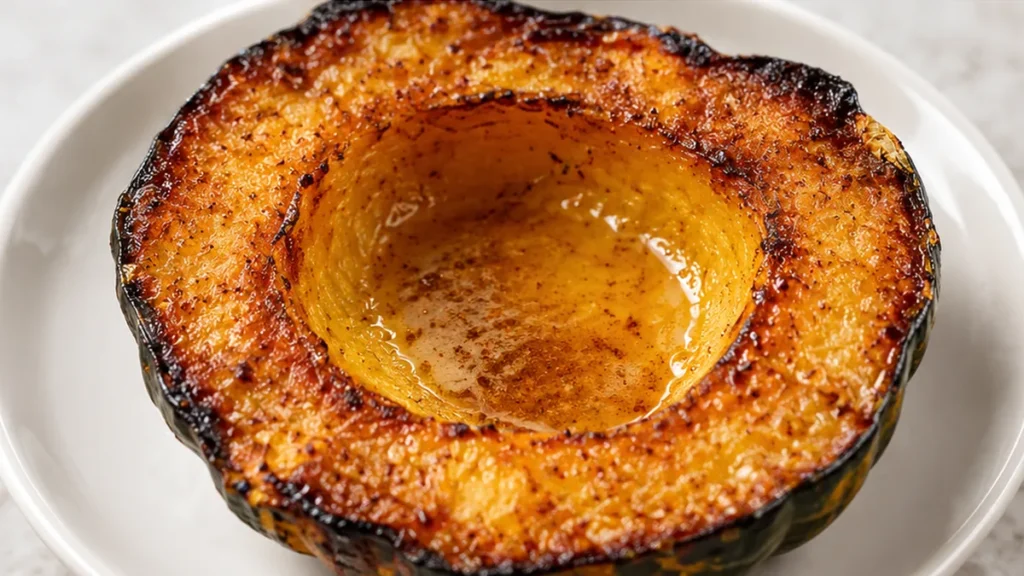
Air fryer acorn squash is a quick and easy dish to prepare. This recipe highlights a maple glaze that enhances the natural sweetness of the squash.
Key takeaways
- Cut acorn squash into uniform pieces for even cooking.
- Monitor cooking time to prevent drying out.
- Experiment with different sweeteners and spices for varied flavor profiles.
- Acorn squash has a unique texture and flavor that sets it apart from other squashes.
Air Fryer Acorn Squash: Sweet & Tender!
Ingredients
Instructions
- Wash the acorn squash thoroughly under running water.
- With a sharp knife, carefully cut the acorn squash in half, lengthwise from top of stem to the bottom.
- Use a dinner spoon to scoop out and discard all seeds and fibrous bits.
- Lightly brush the outsides of the cut squash with 2 tsp of vegetable oil.
- Place the two halves of the acorn squash, cut side down, into the air fryer basket.
- Air fry at 325 degrees F for 20 minutes.
- Remove the squash, butter the insides with 1 tbsp butter, and sprinkle lightly with 1/2 tsp salt.
- Place the squash halves, cut side up, back into the air fryer basket and air fry for an additional 5 minutes.
The Science Behind Air Frying Acorn Squash
Air frying acorn squash utilizes the principles of convection cooking, where hot air circulates rapidly around the food. This method creates a crispy exterior while retaining moisture inside. The ideal temperature for cooking acorn squash in an air fryer is around 200°C (400°F), which allows for optimal caramelization and tenderness. Cooking times typically range from 20 to 30 minutes, depending on the size of the squash and the desired level of doneness.
Common Issues and Solutions When Air Frying Acorn Squash
One common issue when air frying acorn squash is uneven cooking. If the pieces are cut too thick, the exterior may become crispy while the interior remains undercooked. To fix this, ensure that the squash is cut into uniform pieces, approximately 1.5 to 2.5 cm thick. Another issue is the potential for drying out; if overcooked, the squash can lose its natural sweetness and tenderness. To avoid this, monitor the cooking time closely and check for doneness with a fork.
Ingredient Swaps for Enhanced Flavor
While the traditional preparation of air fryer acorn squash often includes maple syrup and cinnamon, there are several interesting swaps you can make. For instance, using honey instead of maple syrup will result in a different sweetness profile, offering a more floral flavor. Alternatively, replacing cinnamon with nutmeg or allspice can add warmth and depth to the dish. Each swap will slightly alter the flavor but can enhance the overall experience.
Unique Characteristics of Acorn Squash
Acorn squash is distinct from other winter squashes due to its sweet, nutty flavor and unique texture. Unlike butternut squash, which has a smoother flesh, acorn squash features a more fibrous texture that holds up well during cooking. This makes it particularly suitable for air frying, as the method emphasizes its natural sweetness while enhancing its inherent flavors. The skin of acorn squash is also edible, adding a slight bitterness that balances the sweetness of the flesh.
How to Store Leftover Air Fryer Acorn Squash
Proper storage of leftover air fryer acorn squash is key to maintaining its flavor and texture. After cooking, allow the squash to cool to room temperature. Store it in an airtight container in the refrigerator, where it can last for up to 4 days. For longer storage, consider freezing the squash. Wrap it tightly in plastic wrap or place it in a freezer-safe bag, ensuring to remove as much air as possible. Frozen acorn squash can maintain its quality for up to 3 months. When ready to use, thaw in the refrigerator overnight before reheating.
Scaling the Recipe for Different Serving Sizes
When scaling the recipe for air fryer acorn squash, consider the size of your air fryer. If you plan to serve a larger group, you can easily double or triple the ingredients. However, be cautious not to overcrowd the air fryer basket, as this can lead to uneven cooking. Instead, cook in batches if necessary. For smaller servings, simply halve the ingredients. The cooking time may remain the same, but always check for doneness by piercing the squash with a fork; it should be tender and easily pierced.
Choosing the Right Air Fryer for Optimal Results
The type of air fryer you use can significantly impact the outcome of your acorn squash. Models with a larger capacity allow for more even cooking and better air circulation, which is crucial for achieving that tender texture. Consider air fryers with adjustable temperature settings and timers for more precise control. Some models also offer preset functions specifically for vegetables, which can simplify the cooking process. Always refer to your air fryer’s manual for specific cooking times and temperatures to avoid overcooking or undercooking your squash.
Pairing and Serving Suggestions for Air Fryer Acorn Squash
Air fryer acorn squash can be a versatile side dish that pairs well with various proteins and grains. Consider serving it alongside roasted chicken or grilled fish for a balanced meal. To enhance its sweetness, drizzle with maple syrup or honey before serving. For a heartier option, mix the squash with quinoa and arugula, topped with feta cheese and a balsamic reduction. This not only adds flavor but also elevates the dish’s presentation, making it suitable for both casual and festive occasions.
Understanding the Texture and Flavor Development of Air Fryer Acorn Squash
One of the unique aspects of air frying acorn squash is how it influences texture and flavor. The air fryer uses rapid circulation of hot air, which can create a crispy exterior while keeping the inside tender. The Maillard reaction, which occurs at temperatures above 140°C (284°F), is responsible for the browning and development of complex flavors. To achieve optimal results, ensure the air fryer is preheated, and avoid overcrowding the basket to allow for even heat distribution. This technique can significantly enhance the flavor profile, giving the squash a rich, caramelized taste that complements its natural sweetness.
Batch Scaling: Preparing Air Fryer Acorn Squash for Large Gatherings
When scaling the recipe for air fryer acorn squash, it is crucial to consider the size of your air fryer. Most models can accommodate one or two medium-sized squashes at a time. If preparing for a large gathering, consider cooking in batches. For instance, if using two medium squashes, cut them into smaller wedges to ensure they cook evenly and quickly. Remember that cooking times may vary slightly when increasing the quantity, so monitor the squash closely to prevent overcooking. Additionally, keeping the cooked squash warm in a low oven can help maintain its temperature while preparing additional batches.
Seasonal Variations in Acorn Squash Quality and Flavor
The quality and flavor of acorn squash can vary significantly with the seasons. Fresh acorn squash is typically harvested in the fall, making it the best time to enjoy its peak flavor and sweetness. During this season, look for squashes with a firm skin and a rich, deep color. As the season progresses into winter, the squash may become drier and less sweet. To counteract this, consider adding a touch of maple syrup or brown sugar during the cooking process to enhance sweetness and moisture. Additionally, experimenting with spices like cinnamon or nutmeg can elevate the dish and adapt it to seasonal flavors.
How to Prepare Acorn Squash for Freezing and Reheating
Freezing acorn squash is an excellent way to preserve its flavor and nutritional benefits. To freeze air fryer acorn squash, first cook it as per the recipe instructions. Once it has cooled, cut it into cubes or slices, depending on your preference. Place the pieces in a single layer on a baking sheet and freeze until solid. This prevents them from sticking together. After freezing, transfer the pieces into airtight freezer bags or containers, removing as much air as possible to prevent freezer burn. When reheating, you can either air fry directly from frozen or thaw overnight in the refrigerator. If air frying from frozen, increase the cooking time by a few minutes, checking for tenderness.
Understanding the Impact of Seasonal Variations on Acorn Squash
Acorn squash quality can vary significantly with the seasons, affecting flavor and texture. In the fall, acorn squash is typically at its peak, exhibiting a rich sweetness and firm texture. As the season progresses into winter, the squash may become drier and less sweet. When selecting acorn squash, look for firm, unblemished skin with a deep color. If using squash that has been stored for a while, consider adjusting cooking times and seasonings; older squash might require longer cooking times and additional sweeteners to enhance flavor. Additionally, the growing conditions and harvest times can influence the moisture content, so always taste before seasoning.
Understanding the Impact of Acorn Squash Ripeness on Flavor and Texture
The ripeness of acorn squash significantly influences the flavor and texture of the final dish. When selecting acorn squash, look for those that are heavy for their size and have a hard, dull skin. A ripe squash will have a deep green color with some orange or yellow streaks, indicating sweetness. If the squash is overly hard or has a shiny skin, it may not be ripe, resulting in a less flavorful dish. The ideal temperature for air frying acorn squash is around 200°C (400°F), which allows for caramelization and enhances the natural sugars in the squash. Cooking time should be adjusted based on the size of the squash; smaller pieces will cook faster, typically in 15-20 minutes, while larger halves may require up to 30 minutes. Monitoring the squash for tenderness with a fork ensures that it is cooked perfectly without becoming mushy.
Batch Scaling and Cooking Times for Different Acorn Squash Sizes
When preparing air fryer acorn squash for larger gatherings, understanding how to scale the recipe and adjust cooking times is crucial. If you are using multiple squash, cut them into uniform pieces to ensure even cooking. The air fryer can typically accommodate several halves or pieces at once, but it’s essential not to overcrowd the basket, as this can lead to uneven cooking. For optimal results, arrange the pieces in a single layer and leave space for air circulation. If cooking multiple batches, keep the first batch warm in an oven set to low heat (around 90°C or 200°F) while the next batch cooks. Adjust the cooking time slightly, as multiple pieces may require a few additional minutes. Always check for doneness with a fork; the squash should be tender and easily pierced.
Pro tips
Pro tip: Best served immediately while hot!
Frequently asked questions
How do I know when my acorn squash is done cooking?
Your acorn squash is done when it is tender and easily pierced with a fork. The flesh should be soft but not mushy, which usually takes about 20-30 minutes in the air fryer.
Can I air fry acorn squash without oil?
Yes, you can air fry acorn squash without oil, but using a small amount can enhance flavor and help achieve a crispy texture. If you choose to omit oil, consider seasoning the squash well to compensate.
What are some good seasonings for air fryer acorn squash?
Common seasonings include cinnamon, nutmeg, and maple syrup for sweetness. You can also try savory options like garlic powder, paprika, or Italian herbs for a different flavor profile.
Can I store leftover air fryer acorn squash?
Yes, leftover air fryer acorn squash can be stored in an airtight container in the refrigerator for up to 3-5 days. Reheat it in the air fryer or microwave for the best results.
More from Air Fryer Vegetables →