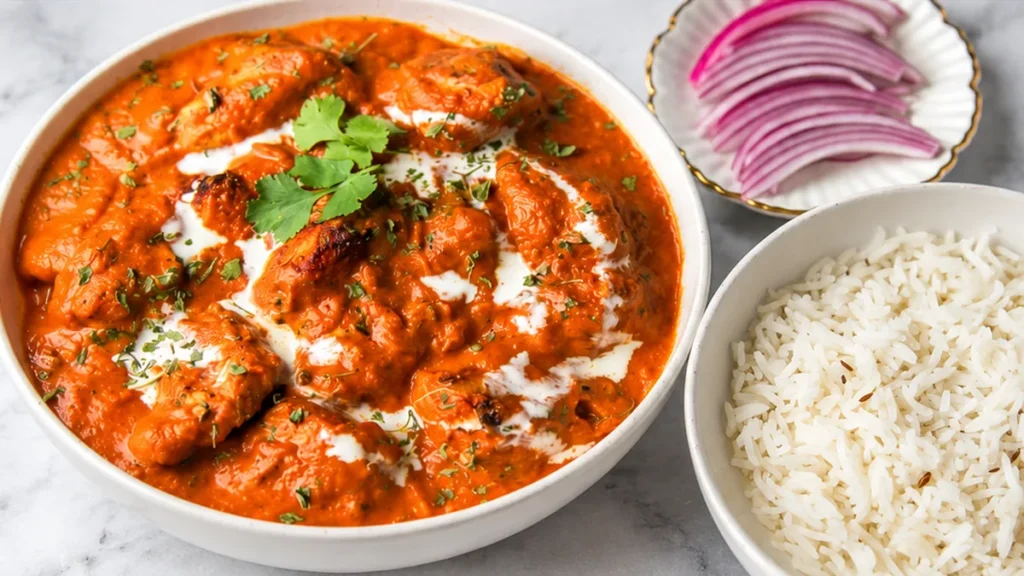
This creamy chicken tikka masala recipe combines tender chicken with a rich sauce. It’s a straightforward dish that brings authentic flavors to your table.
Key takeaways
- Marinate chicken in yogurt and spices for tenderness.
- Avoid overcooking chicken to maintain moisture.
- Use fresh spices for enhanced flavor.
- Substituting coconut milk creates a lighter dish.
Creamy Chicken Tikka Masala Recipe
Ingredients
Instructions
- In a mixing bowl, combine yogurt, lemon juice, ginger paste, garlic paste, kosher salt, ground turmeric, Kashmiri red chili powder, garam masala, and dried fenugreek leaves. Add chicken pieces and coat well. Cover and refrigerate for at least 4 hours, or ideally overnight.
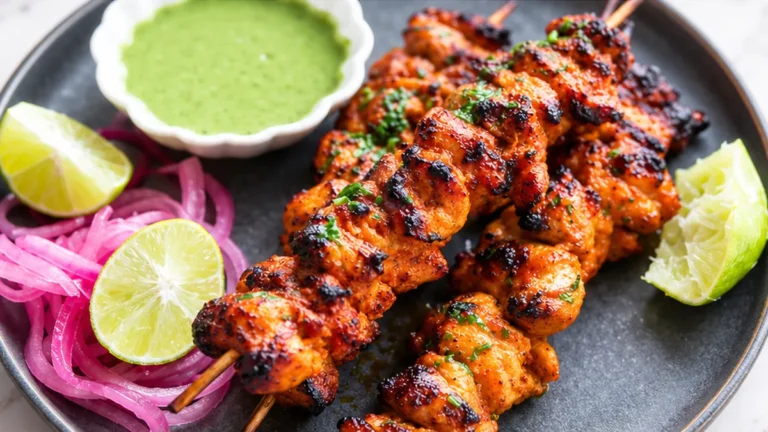
- Cook the chicken: Thread marinated chicken onto skewers or arrange on a grill rack. Bake in a preheated oven at 400°F for 15 minutes. Broil for an additional 2–3 minutes for charred edges. Alternatively, air fry at 380°F for 10–15 minutes until cooked through. Let rest for 5 minutes.
- Make the sauce base: In a large skillet or Dutch oven, heat 2 tablespoons oil over medium heat. Add finely chopped onions and sauté for about 10 minutes, stirring every couple of minutes. Cover after each stir to retain moisture.
- Build the flavor: Add 2 teaspoons ginger paste and 2 teaspoons garlic paste to the skillet and sauté for 30 seconds until fragrant. Stir in 1 (15 ounce) can crushed tomatoes, ¼ teaspoon ground turmeric, 1½ teaspoon kosher salt, 2 teaspoon Kashmiri red chili powder, and 1 teaspoon garam masala.
- Simmer the sauce: Add 1 cup of water to the skillet, bring to a simmer, then cover and cook for 15 minutes, allowing flavors to meld and sauce to thicken slightly.
- Blend to smoothness: Carefully blend the mixture into a smooth sauce using an immersion blender directly in the skillet, or transfer to a standard blender. Return the smooth sauce to the skillet.
- Finish and serve: Stir in ½ cup heavy cream and the cooked chicken. Simmer for 3-5 minutes until heated through and the sauce coats the chicken beautifully. Serve hot with basmati rice or naan bread.
- Enjoy your homemade Chicken Tikka Masala!
Understanding the Creamy Base of Chicken Tikka Masala
The creamy texture of Chicken Tikka Masala is primarily achieved through a combination of yogurt, cream, and a blend of spices. Yogurt acts as a marinade, tenderizing the chicken and infusing it with flavor. The ideal ratio for the marinade is about 1 part yogurt to 1 part spices, which helps create a balanced flavor profile. When cooking, the addition of cream at the end not only enriches the sauce but also contributes to the dish’s signature velvety texture.
Common Mistakes and How to Avoid Them
One common mistake when preparing Chicken Tikka Masala is overcooking the chicken, resulting in dry meat. To avoid this, ensure the chicken is cooked just until it reaches an internal temperature of 75°C (165°F). Another issue is the sauce being too thin; this can be rectified by simmering the sauce longer to allow it to reduce and thicken. Using fresh spices instead of old ones also enhances the flavor significantly, as ground spices lose potency over time.
Fixing Overcooked Chicken
If your chicken turns out dry, consider soaking it in a little warm water or broth for a few minutes before serving. This can help reintroduce moisture.
Thickening a Watery Sauce
If the sauce is too thin, mix a tablespoon of cornstarch with cold water and stir it into the sauce while it simmers. This will help thicken it without affecting the flavor.
Ingredient Swaps and Their Effects
Substituting certain ingredients can change the flavor and texture of Chicken Tikka Masala. For instance, using coconut milk instead of cream can make the dish dairy-free and impart a subtle sweetness. Another swap is using chicken thighs instead of breasts; thighs are more forgiving and remain moist even if slightly overcooked.
Coconut Milk vs. Heavy Cream
Using coconut milk will create a lighter, slightly sweet version of the dish, but it will lack the richness that heavy cream provides.
Chicken Breasts vs. Thighs
Chicken thighs offer a richer flavor and remain juicier, while breasts can dry out more quickly if overcooked.
Unique Characteristics of Chicken Tikka Masala
One distinctive feature of Chicken Tikka Masala is its vibrant color, which comes from the use of ground turmeric and red chili powder. This not only adds visual appeal but also contributes to the dish’s flavor complexity. Unlike many other Indian dishes, Chicken Tikka Masala is often served with a side of naan or rice, making it a versatile meal option that pairs well with various sides.
Understanding the Impact of Ingredient Quality on Flavor
The quality of ingredients used in your creamy chicken tikka masala significantly affects the final dish. Fresh, high-quality spices can elevate the flavor profile, as they contain more essential oils and aromatic compounds. For instance, using freshly ground cumin and coriander instead of pre-ground versions can enhance the overall taste. Similarly, the choice of chicken is crucial; opt for free-range or organic chicken for a richer flavor. The cream or yogurt should also be fresh, as older dairy can impart an off-flavor. In essence, investing in quality ingredients pays off with a more vibrant and authentic dish.
Batch Scaling: Adjusting Portions Without Compromising Quality
Scaling your creamy chicken tikka masala recipe is straightforward, but it requires attention to detail to maintain flavor and texture. When increasing the batch size, ensure that you also proportionally increase the spices and seasonings. A common mistake is to simply double all ingredients, which can lead to a diluted flavor. For instance, when scaling up, consider starting with a 1.5x increase in spices and adjusting to taste. Additionally, cooking time may need to be extended; ensure the chicken is fully cooked and the sauce has thickened properly. This method will help maintain the integrity of the dish.
Make-Ahead Strategies for Optimal Flavor Development
Preparing creamy chicken tikka masala in advance can enhance its flavors. The spices and cream meld together beautifully when the dish is allowed to sit, making it an excellent candidate for meal prep. To make ahead, cook the dish fully and allow it to cool before storing it in an airtight container in the refrigerator. It can be stored for up to three days. When reheating, do so gently on the stove, adding a splash of water or cream to restore creaminess. This technique not only saves time but also intensifies the flavors, making it even more delicious.
Serving Suggestions and Pairings to Enhance the Meal
Pairing your creamy chicken tikka masala with the right accompaniments can elevate the dining experience. Traditional pairings include basmati rice or naan bread, which help soak up the rich sauce. For a refreshing contrast, consider serving a cucumber raita or a simple salad with a citrus dressing. The acidity of the salad can balance the creaminess of the dish. Additionally, a light-bodied white wine, such as a Sauvignon Blanc, complements the spices without overwhelming the palate. These thoughtful pairings not only enhance the flavor but also create a well-rounded meal.
How to Achieve the Perfect Balance of Creaminess and Spice
The hallmark of a great creamy chicken tikka masala lies in achieving the right balance between creaminess and spice. The cream, typically heavy cream or coconut milk, should enhance the spices rather than mask them. A common mistake is adding too much cream, which can dull the flavor. Aim for a ratio of about 1 cup of cream to 2 tablespoons of spice mix, adjusting based on your heat tolerance. The spices should be sautéed until fragrant before adding the cream, allowing the flavors to meld beautifully. This technique ensures that the spices remain prominent while the cream adds a luxurious texture.
Optimal Cooking Techniques for Tender Chicken
Tender chicken is essential for an enjoyable creamy chicken tikka masala. The cooking method plays a critical role in achieving this. Marinating the chicken in yogurt and spices for at least 1 hour (or overnight for best results) helps to tenderize the meat. When cooking, use medium-high heat to sear the chicken quickly, locking in moisture. Avoid overcrowding the pan, as this can lead to steaming rather than searing. Cook the chicken until it reaches an internal temperature of 75°C (165°F) for safety, but be careful not to overcook, as this can lead to dryness.
Understanding the Role of Marinades in Flavor Development
The marinade is a crucial component of chicken tikka masala, significantly impacting the dish’s overall flavor. A well-balanced marinade typically includes yogurt, garlic, ginger, and a blend of spices such as garam masala, cumin, and coriander. The acidity from the yogurt not only tenderizes the chicken but also infuses it with flavor. For optimal results, allow the chicken to marinate for at least 2 hours, or overnight if possible. This extended time allows the flavors to penetrate deeply into the meat, resulting in a more flavorful and juicy final dish. Additionally, consider using fresh spices rather than pre-ground to enhance the marinade’s potency.
How to Perfectly Store and Reheat Chicken Tikka Masala
Proper storage and reheating of chicken tikka masala are crucial to maintaining its creamy texture and rich flavors. After cooking, allow the dish to cool to room temperature before transferring it to an airtight container. It can be stored in the refrigerator for up to three days. For longer storage, consider freezing the dish. Chicken tikka masala can be frozen for up to three months. When reheating, do so gently on the stove over low heat, adding a splash of cream or water to restore its creamy consistency. Avoid microwaving, as this can lead to uneven heating and a change in texture.
Understanding the Impact of Cooking Equipment on Chicken Tikka Masala
The choice of cooking equipment can significantly influence the final outcome of chicken tikka masala. Using a heavy-bottomed pot or a Dutch oven helps in achieving even heat distribution, which is essential for the slow cooking process that develops flavors. Non-stick pans can be useful for browning chicken without sticking, but they may not provide the same depth of flavor as a stainless steel or cast-iron skillet, where fond can develop. Additionally, using a blender versus a food processor for the sauce can affect the smoothness; a high-speed blender will yield a creamier texture compared to a food processor.
Pro tips
Pro tip: Best served immediately while hot!
Frequently asked questions
Can I make Chicken Tikka Masala ahead of time?
Yes, Chicken Tikka Masala can be made ahead of time. In fact, the flavors often deepen and improve after a day in the refrigerator. Just reheat gently before serving.
What can I serve with Chicken Tikka Masala?
This dish pairs well with naan, basmati rice, or even a simple salad. The bread is perfect for scooping up the sauce.
Is Chicken Tikka Masala spicy?
The spiciness of Chicken Tikka Masala can be adjusted based on your preference. You can reduce the amount of chili powder or use a milder variety to create a less spicy dish.
Can I use tofu instead of chicken for a vegetarian version?
Yes, tofu can be used as a substitute for chicken. Make sure to press and marinate the tofu to absorb the flavors before cooking.
More from Air Fryer Chicken →