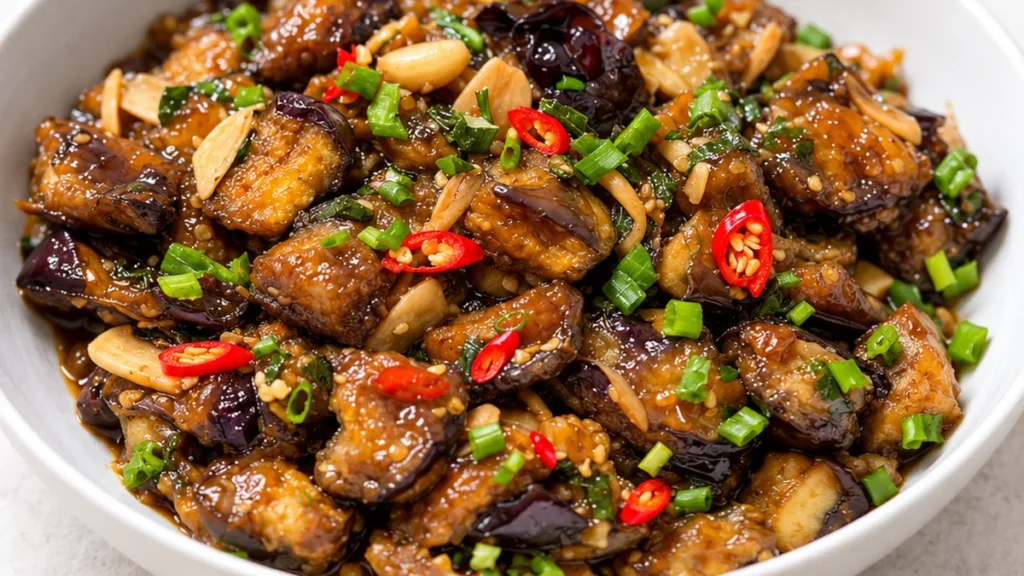
Crispy air fryer thai eggplant is a simple yet flavorful dish. This recipe highlights the unique taste of Thai eggplant, cooked to perfection in an air fryer.
Key takeaways
- Salting the eggplant before cooking is crucial for removing excess moisture.
- Cooking at 200°C (400°F) promotes optimal crispiness through the Maillard reaction.
- Avoid overcrowding the air fryer basket to ensure even cooking and crispiness.
- Experimenting with flavored oils and spices can enhance the dish’s flavor profile.
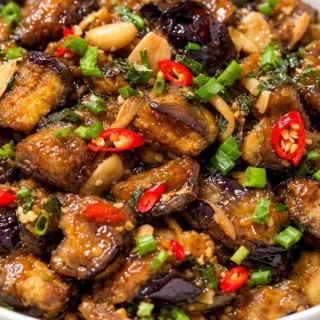
Crispy Air Fryer Thai Eggplant
Ingredients
Instructions
- Chop the eggplant into large cubes (about 1.5-inch). Toss with salt in a bowl and let sit for 10 minutes.
- In a separate bowl, whisk together tapioca flour, light soy sauce, oyster sauce, water, and sugar until smooth.
- Pat the eggplant dry with paper towels to remove excess moisture.
- Add the dried eggplant cubes to the sauce mixture and toss gently until evenly coated.
- Arrange the coated eggplant in a single layer in your air fryer basket.
- Air fry at 400°F (200°C) for 15-20 minutes, flipping halfway through.
- Add sesame oil and sliced garlic and ginger for the last 2-3 minutes of cooking.
Understanding the Characteristics of Thai Eggplant
Thai eggplant, also known as Thai brinjal, is distinct from its larger, Western counterparts. Typically smaller and rounder, these eggplants have a slightly bitter taste and a firm texture that holds up well in cooking. When preparing crispy air fryer Thai eggplant, it’s essential to choose eggplants that are firm, smooth, and free from blemishes. Their high moisture content can contribute to sogginess if not properly managed during cooking.
How to Achieve Optimal Crispiness
The key to achieving the desired crispiness in air fryer Thai eggplant lies in the preparation and cooking method. First, salting the eggplant slices helps draw out excess moisture, which can lead to a soggy texture. After slicing, sprinkle salt evenly and let them rest for about 30 minutes. This process not only reduces moisture but also enhances the flavor of the eggplant. Rinsing and patting the eggplant dry afterward ensures that the salt does not overpower the dish.
Temperature Control for Perfect Cooking
When using an air fryer, controlling the temperature is crucial. Cooking Thai eggplant at a temperature of 200°C (400°F) is ideal. This high heat allows for the Maillard reaction to occur, which creates a crispy, golden-brown exterior while keeping the interior tender. Cooking for about 15-20 minutes, shaking the basket halfway through, ensures even cooking and crispiness.
Common Issues and Solutions
One common issue when air frying Thai eggplant is ending up with a mushy texture. This often occurs if the eggplant is not salted adequately or if it is overcrowded in the air fryer basket. To fix this, ensure that you space the slices out in a single layer and avoid overlapping. Another issue is insufficient crispiness, which can be remedied by increasing the cooking time or temperature slightly, as well as ensuring the eggplant is well-coated with oil.
Flavor Enhancements and Variations
While the basic recipe for crispy air fryer Thai eggplant is delicious on its own, there are several ways to enhance its flavor. Consider adding spices such as garlic powder, chili flakes, or even a sprinkle of sesame seeds before air frying. These additions can elevate the dish, providing a more complex flavor profile. Additionally, swapping out the oil for flavored oils, such as sesame or chili oil, can add a unique twist to the dish.
Ingredient Substitutions and Their Effects
If you don’t have Thai eggplant on hand, you can substitute with smaller varieties of eggplant, such as Japanese eggplant, which will yield a similar texture but may have a milder flavor. For a different taste, zucchini can also be used, though it will require less cooking time due to its higher water content. Keep in mind that these substitutions will alter the final flavor and texture, so adjust your seasonings accordingly.
Understanding the Impact of Ingredient Quality on Thai Eggplant
The quality of Thai eggplant can significantly affect the final dish. Fresh, ripe eggplants are essential for optimal flavor and texture. Look for eggplants that are firm and have a glossy skin. Overripe eggplants may have a bitter taste and spongy texture. The size of the eggplant also matters; smaller eggplants tend to be less bitter and have a creamier texture. The time of year can influence the quality as well, with peak season usually being in the summer months when they are harvested at their prime. For the best results, source your eggplants from local farmers’ markets or trusted grocery stores that prioritize fresh produce.
Batch Scaling: How to Adjust Cooking Times and Temperatures
When scaling the recipe for crispy air fryer Thai eggplant, it’s crucial to adjust cooking times and temperatures appropriately. If you double the quantity, you may need to cook in batches to avoid overcrowding, which can lead to uneven cooking. The air fryer should be preheated, and cooking times may need to be increased by about 2-3 minutes for larger batches. Keep an eye on the eggplants; they should be golden brown and crispy on the outside. Using a thermometer to check for doneness can also be helpful. Aim for a temperature of around 200°C (400°F) for optimal crispiness while ensuring the inside is tender.
Equipment Variations: Choosing the Right Air Fryer
The type of air fryer you use can impact the cooking process and the texture of the Thai eggplant. Some models have stronger fans or heating elements, which can cook food faster or create a different texture. If you’re using a smaller air fryer, consider cooking in smaller batches to ensure even cooking. Additionally, some air fryers have different settings for various foods; using the appropriate setting for vegetables can yield better results. If you have a convection oven, it can also serve as an alternative, but keep in mind that cooking times may differ. Always refer to the manufacturer’s guidelines for optimal performance.
Serving Suggestions and Pairings for Thai Eggplant
When serving crispy air fryer Thai eggplant, consider complementary flavors and textures. This dish pairs well with a tangy dipping sauce, such as a spicy chili sauce or a sweet and sour sauce. For a complete meal, serve it alongside jasmine rice or quinoa, which can absorb the flavors of the eggplant. Fresh herbs like cilantro or basil can add a burst of freshness. Additionally, consider serving it with grilled proteins, such as chicken or tofu, to create a balanced plate. The crispy texture of the eggplant contrasts beautifully with softer components, enhancing the overall dining experience.
How to Store and Reheat Crispy Air Fryer Thai Eggplant
Storing crispy air fryer Thai eggplant requires careful handling to maintain its texture. After cooking, allow the eggplant to cool completely before transferring it to an airtight container. It can be stored in the refrigerator for up to three days. However, reheating can lead to sogginess if not done properly. To reheat, place the eggplant in the air fryer at 180°C (350°F) for about 5-7 minutes to restore its crispiness. Avoid using a microwave, as it will make the eggplant soft and lose its desirable texture.
Batch Scaling Techniques for Thai Eggplant in an Air Fryer
Scaling the batch of crispy air fryer Thai eggplant involves adjusting both the ingredient quantities and the cooking time. When increasing the quantity, ensure that the eggplant pieces are cut uniformly to promote even cooking. For larger batches, you may need to cook in multiple rounds, as overcrowding the air fryer can lead to uneven crispiness. A good rule of thumb is to maintain a single layer of eggplant, allowing hot air to circulate freely. If cooking a significantly larger batch, consider increasing the cooking time by 2-3 minutes, checking for doneness periodically to avoid overcooking.
Understanding the Effects of Overcrowding in the Air Fryer
When preparing crispy air fryer Thai eggplant, overcrowding the basket can lead to uneven cooking and soggy results. Air fryers work by circulating hot air around the food, and if the basket is too full, this airflow is restricted. Ideally, you should arrange the eggplant in a single layer, allowing space between each piece. If you need to cook a larger batch, consider cooking in multiple rounds. This not only ensures even cooking but also helps achieve that desirable crispiness. For optimal results, maintain a cooking temperature of around 200°C (400°F) and check for doneness after the recommended cooking time, adjusting as necessary based on the batch size.
How Ingredient Quality Influences Texture and Flavor
The quality of Thai eggplant directly impacts the final dish. Fresh, firm eggplants will yield a better texture and flavor compared to older or overripe ones, which can be spongy and bitter. Look for eggplants that are vibrant in color, with smooth skin and no blemishes. Additionally, the oil used in the recipe plays a crucial role in achieving crispiness. Opt for high-quality oils with a high smoke point, such as avocado or grapeseed oil, to enhance the flavor without compromising the cooking temperature. Remember, using subpar ingredients can lead to a lackluster dish, so always prioritize freshness and quality when selecting your ingredients.
Pro tips
Pro tip: Best served immediately while hot!
Frequently asked questions
How do I know when the Thai eggplant is fully cooked?
The Thai eggplant is fully cooked when it is tender to the fork and has a golden-brown, crispy exterior. This usually takes about 15-20 minutes at the right temperature in an air fryer.
Can I use frozen Thai eggplant for this recipe?
Using frozen Thai eggplant is not recommended, as it tends to become mushy once thawed. Fresh eggplant will yield the best texture and flavor for this dish.
What dipping sauces pair well with crispy air fryer Thai eggplant?
Thai eggplant pairs well with a variety of dipping sauces, including sweet chili sauce, peanut sauce, or a simple soy sauce mixed with lime juice for added zest.
Can I prepare the eggplant ahead of time?
Yes, you can slice and salt the eggplant ahead of time. Just remember to store it in an airtight container in the refrigerator and cook it within a day for the best texture.
More from Air Fryer Vegetables →