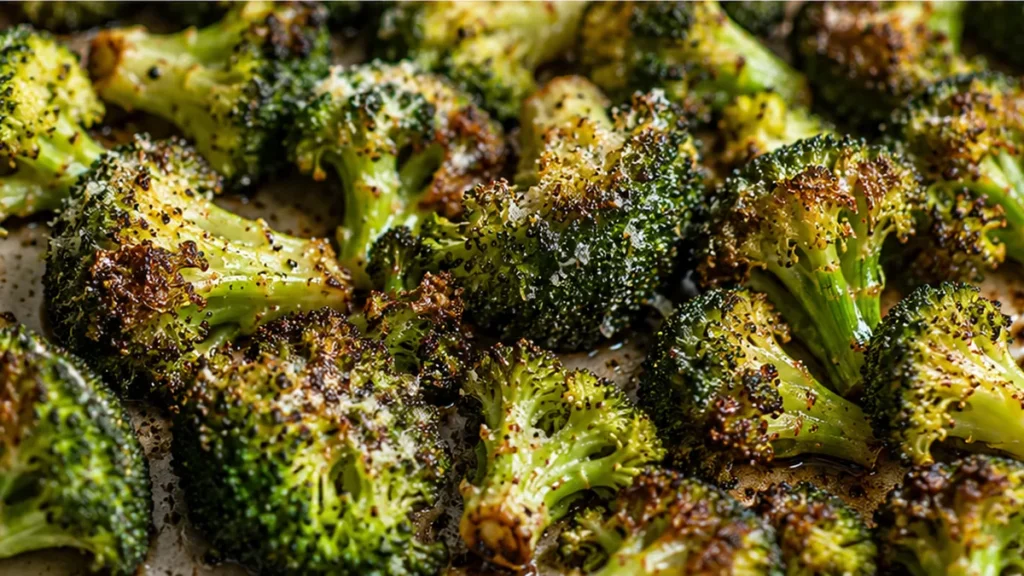
The secret to perfectly roasted broccoli is getting those florets dry and giving them space on the baking sheet. This ensures they crisp up beautifully instead of steaming. Roasted broccoli transforms a humble vegetable into an irresistible side dish, making it a focus_keyword for any meal. It’s a method I swear by for adding flavor and texture to weeknight dinners, perfect for even the pickiest eaters. This simple approach to roasted broccoli maximizes its natural sweetness and texture, making it a staple in my kitchen.
Key takeaways
- Use fresh broccoli for the best texture and flavor.
- Preheat your oven to 425°F for optimal roasting.
- Season well with salt, pepper, and lemon juice for balance.
- Add parmesan cheese in the last minutes of roasting for a delicious crust.
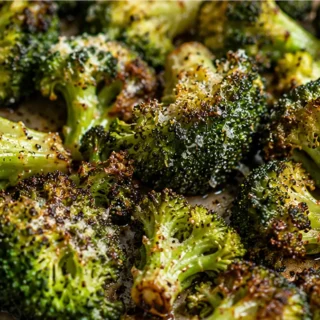
Crispy Roasted Broccoli: Your New Favorite Side!
Ingredients
- 1 large head broccoli, cut into medium florets (about 4-5 cups) OR 1 (12-ounce bag florets)
- 2 tablespoons extra virgin olive oil
- 1/2 teaspoon sea salt
- Freshly ground black pepper
- Squeeze of fresh lemon juice (highly recommended)
- 2-3 tablespoons freshly grated parmesan cheese
Instructions
- Preheat the oven to 400°F (200°C). Optionally line a large rimmed baking sheet with parchment paper for easy clean up. (If using an air fryer preheat to 375°F (190°C).)
- Wash the broccoli and dry it thoroughly. Cut the head into medium-sized florets, roughly 1.5 to 2 inches across. Peel and slice the stems if using.
- Add the florets to the sheet pan. Drizzle with olive oil and sprinkle with salt and pepper. Toss with your hands until every piece is lightly coated. Spread the broccoli in a single layer with space between the pieces. Do not overcrowd the pan.
- Roast for 20 to 25 minutes, until the edges are golden brown with some charring on the tips and the stems are tender when pierced with a fork.
- Remove from the oven. Squeeze fresh lemon juice over the top if desired and sprinkle with parmesan if using. Taste and add more salt if needed. Serve immediately.
Video
Notes
– Don’t overcrowd the pan; this is crucial for crispy florets. If you have too much, roast in two batches.
– Use a hot oven (400°F/200°C) to achieve nice charring and tenderness without overcooking. I once tried to rush it at a lower temperature and ended up with soggy pieces.
– Store leftover roasted broccoli in an airtight container in the refrigerator for up to 3 days. Reheat in a preheated oven at 350°F (175°C) for 5-7 minutes to restore crispiness. Nutrition information is an estimate, calculated automatically. Values vary with brands, substitutions and portion sizes.
Choosing the Right Broccoli for Roasting
When selecting broccoli for roasting, freshness is key. Look for a large head with tight, dark green florets and firm stalks. The florets should not be yellowing or wilting, as this indicates age. For this recipe, you can use either a whole head of broccoli cut into medium florets or pre-packaged florets (about 4-5 cups or 12 ounces). The choice impacts cooking time slightly, as pre-cut florets may roast faster.
The Importance of Olive Oil in Roasting
Using extra virgin olive oil not only enhances flavor but also aids in achieving that desired crispy texture. The oil’s smoke point is around 375°F (190°C), which is ideal for roasting. For this recipe, 2 tablespoons of olive oil will coat the broccoli evenly, ensuring each piece is well-covered without being overly oily. This balance promotes even browning and prevents sogginess.
Mastering Seasoning for Flavor
Seasoning is crucial in elevating roasted broccoli. A half teaspoon of sea salt enhances the natural flavors, while freshly ground black pepper adds a subtle heat. The squeeze of fresh lemon juice at the end brightens the dish, cutting through the richness of the oil and cheese. If you prefer a more intense flavor, consider adding garlic powder or red pepper flakes to the seasoning mix.
Achieving the Perfect Roast: Temperature and Timing
For optimal results, preheat your oven to 425°F (220°C). This high temperature encourages the Maillard reaction, giving the broccoli its characteristic crispy exterior. Roast the broccoli for 20-25 minutes, tossing halfway through to ensure even cooking. If you find your broccoli isn’t browning as desired, increase the oven temperature by 25°F (about 15°C) or extend the roasting time by a few minutes while monitoring closely.
Finishing Touches: Cheese and Acidity
Adding freshly grated parmesan cheese during the last 5 minutes of roasting allows it to melt and create a delightful, savory crust. The cheese not only adds flavor but also contributes to the overall texture. For a finishing touch, a squeeze of fresh lemon juice adds brightness and acidity, which balances the richness of the cheese and oil. This combination of flavors is unique to roasted broccoli, making it a standout side dish.
How to Properly Store Leftover Roasted Broccoli
To maximize freshness, let the roasted broccoli cool completely before storing. Place it in an airtight container and refrigerate for up to 3 days. For longer storage, consider freezing it; however, the texture may change upon thawing. To freeze, spread the cooled broccoli on a baking sheet to avoid clumping, then transfer to a freezer-safe bag.
Scaling Up: Adjusting for Larger Batches
When scaling the recipe, maintain the same proportions of ingredients to ensure consistent flavor and texture. For example, if doubling the recipe, use 4 tablespoons of olive oil and 1 teaspoon of sea salt. However, be cautious of overcrowding on the baking sheet, as this can lead to steaming rather than roasting. Aim for a single layer and consider using multiple trays if necessary.
Choosing the Right Equipment for Roasting
The type of baking sheet you use can impact the outcome of your roasted broccoli. A dark, non-stick sheet tends to absorb heat more quickly, promoting browning, while a light-colored sheet reflects heat, leading to a gentler roast. For best results, opt for a rimmed baking sheet to contain any oil or moisture. Additionally, using parchment paper can help with cleanup and prevent sticking.
Seasonal Variations: Adapting Roasted Broccoli to Ingredient Quality
Ingredient quality can significantly affect the flavor of roasted broccoli. In spring, fresh, tender broccoli is more prevalent, requiring less seasoning. In contrast, winter broccoli may be tougher and benefit from a longer roasting time and additional spices. Always taste and adjust seasoning based on the freshness and flavor of your ingredients to achieve the best results.
How to Make Roasted Broccoli Ahead of Time
Preparing roasted broccoli in advance can save time during busy weeknights. To make ahead, roast the broccoli as instructed, then allow it to cool completely before transferring it to an airtight container. Store in the refrigerator for up to 3 days. When ready to serve, reheat in the oven at 375°F (190°C) for about 10-15 minutes to regain its crispiness. Avoid microwaving, as this can lead to a soggy texture.
Choosing the Right Equipment for Roasting Broccoli
The choice of baking sheet can significantly affect the outcome of your roasted broccoli. A heavy-duty, rimmed baking sheet is ideal, as it distributes heat evenly and prevents warping. Avoid using non-stick pans, as they can trap moisture and hinder browning. For best results, line your sheet with parchment paper to ensure easy cleanup and to promote even roasting.
How to Pair Roasted Broccoli with Other Dishes
Roasted broccoli is a versatile side that complements many dishes. It pairs beautifully with grilled meats, such as chicken or steak, adding a nutritious element to your meal. For vegetarian options, serve alongside quinoa or pasta with olive oil and garlic. Enhance flavors further by drizzling balsamic reduction or a sprinkle of toasted nuts for added texture and taste.
Understanding Seasonal Variations in Broccoli Quality
The quality of broccoli can vary significantly with the seasons. During peak season, which is typically late fall through early spring, broccoli will be fresher, with a vibrant green color and tight florets. Off-season broccoli may be less flavorful and more fibrous. To maximize flavor, choose locally sourced produce when possible, and adjust roasting time based on the freshness and size of the florets, as older broccoli may require longer cooking times.
How to Scale Roasted Broccoli for Larger Gatherings
Scaling up your roasted broccoli recipe is straightforward but requires careful attention to cooking times and space on the baking sheet. When roasting larger quantities, aim for about 4-5 cups of broccoli per standard half-sheet pan (18×13 inches). This allows for even heat circulation. If using multiple pans, rotate them halfway through cooking to ensure even roasting. Keep the oven temperature at 425°F (220°C) for optimal caramelization. Remember, the cooking time may increase slightly; start checking for doneness at 20 minutes, but it could take up to 30 minutes for larger batches. The goal is to achieve crispy, golden edges without overcrowding the pan.
Understanding the Role of Freshness in Broccoli Flavor and Texture
The freshness of broccoli significantly impacts the final flavor and texture of your roasted dish. Fresh broccoli should be vibrant green, firm, and free from yellowing or wilting. Ideally, use broccoli that has been harvested within a few days for the best taste. When broccoli is older, it can become tough and less flavorful, resulting in a less enjoyable eating experience. For roasting, consider the season; spring and fall typically yield the sweetest and most tender broccoli. If your broccoli is not at its peak, consider marinating it in olive oil and lemon juice for an hour before roasting to enhance its flavor. This simple step can help revive older broccoli and improve the overall dish.
How to Achieve the Ideal Crispiness in Roasted Broccoli
The key to perfectly crispy roasted broccoli lies in the moisture content and roasting method. Broccoli contains about 90% water, which can lead to steaming rather than roasting if not managed properly. To achieve the ideal crispiness, ensure the florets are well-dried after washing and evenly coated with olive oil. A temperature of 425°F (220°C) is optimal for roasting, as it allows for the Maillard reaction to occur, creating a crispy exterior. Roast for 20-25 minutes, flipping halfway through to ensure even cooking. If your broccoli is still soggy, it may be due to overcrowding on the baking sheet; use a larger pan or roast in batches to allow for proper airflow.
Understanding the Role of Cheese in Roasted Broccoli
Adding cheese, particularly parmesan, enhances the flavor profile of roasted broccoli, but timing is crucial. Cheese can burn quickly at high temperatures, so it’s best to add it during the last 5 minutes of roasting. This allows the cheese to melt and create a delicious, crispy topping without becoming overly charred. If you prefer a deeper flavor, consider using aged parmesan, which has a more pronounced umami taste. However, if you’re looking for a dairy-free option, nutritional yeast can be sprinkled on just before serving, providing a similar cheesy flavor without the fat.
Pro tips
- For extra crispiness, ensure your broccoli is thoroughly dry before tossing with oil and seasoning. Excess moisture prevents browning.
- Don’t overcrowd the pan; this is crucial for crispy florets. If you have too much, roast in two batches.
- Use a hot oven (400°F/200°C) to achieve nice charring and tenderness without overcooking. I once tried to rush it at a lower temperature and ended up with soggy pieces.
- Store leftover roasted broccoli in an airtight container in the refrigerator for up to 3 days. Reheat in a preheated oven at 350°F (175°C) for 5-7 minutes to restore crispiness.
Mastering crispy roasted broccoli is a simple culinary win. Experiment with different seasonings, but don’t underestimate the power of lemon and Parmesan. Enjoy this delicious and versatile side dish!
Frequently asked questions
How can I make my roasted broccoli crispy?
To achieve crispy roasted broccoli, ensure you preheat your oven to at least 425°F (220°C) and use enough olive oil to coat the florets evenly. Avoid overcrowding the baking sheet, as this can lead to steaming instead of roasting.
Can I use frozen broccoli for this recipe?
While you can use frozen broccoli, it may not achieve the same crispy texture as fresh. If using frozen, roast directly from frozen and increase the cooking time to ensure it’s thoroughly cooked and browned.
What can I substitute for parmesan cheese?
If you don’t have parmesan cheese, you can substitute with pecorino Romano or nutritional yeast for a dairy-free option. Both will add a similar umami flavor, though the texture may differ slightly.
Can I add other vegetables to this dish?
Yes, you can add other vegetables like cauliflower or carrots. Just ensure they have similar cooking times to broccoli for even roasting. Adjust the seasoning and oil based on the additional vegetables to maintain flavor balance.
More from Air Fryer Vegetables →